



PRESTON — For Staci Jelley, breast cancer treatment was all of the usual words: scary, expensive, terrible. But none of those words are the first one she’d use to describe it.
For Staci Jelley, breast cancer treatment was lonely.
Jelley received her diagnosis in 2021, in the midst of the pandemic. She went through chemotherapy alone. She lived in Baltimore for six weeks, attending proton therapy sessions alone. She endured treatment alone.
“My infusions when I went in for chemo, sometimes I was there for eight hours,” Jelley said. “So it was lonely, but nobody had a caregiver there, so it’s not like I was the only one. None of us did, we were all just by ourselves.”
In 2022, as Jelley prepared to undergo breast reconstruction, she encountered members of Women Supporting Women, a local organization providing free support to breast cancer survivors. Through them, Jelley was lent a lift chair, an expensive but crucial piece of equipment to ease recovery following reconstruction surgery.
Jelley received the news she was finally cancer-free the next year, and soon joined Women Supporting Women's board of directors. In her role as a facilitator — though she prefers to call herself a “cancer buddy” — Jelley started a survivor support group.
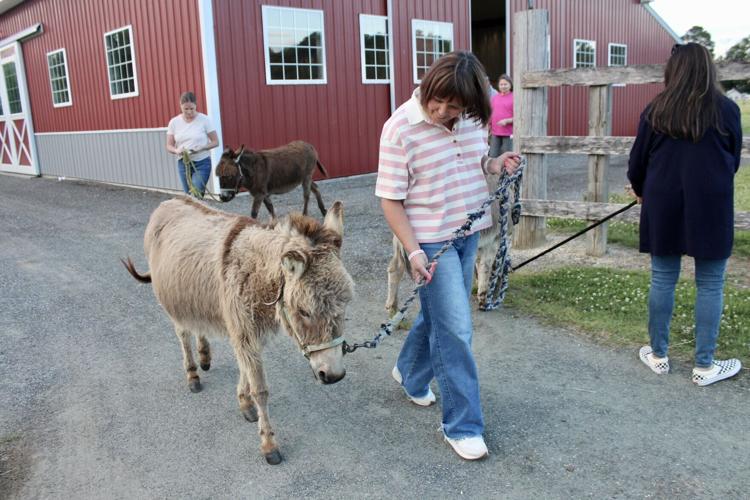
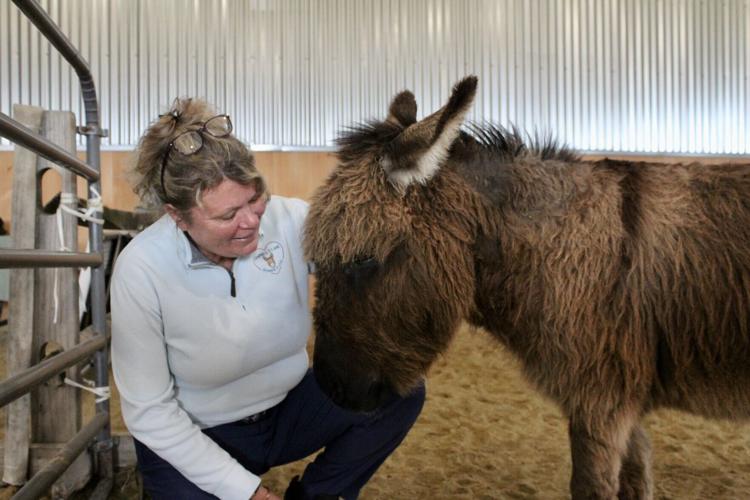
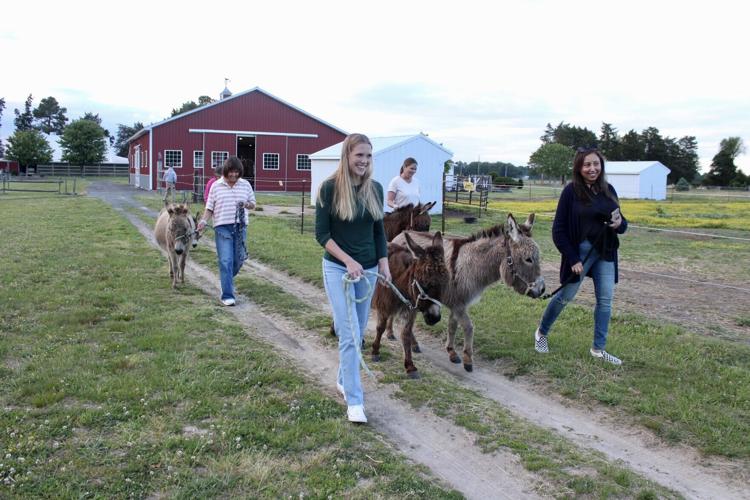
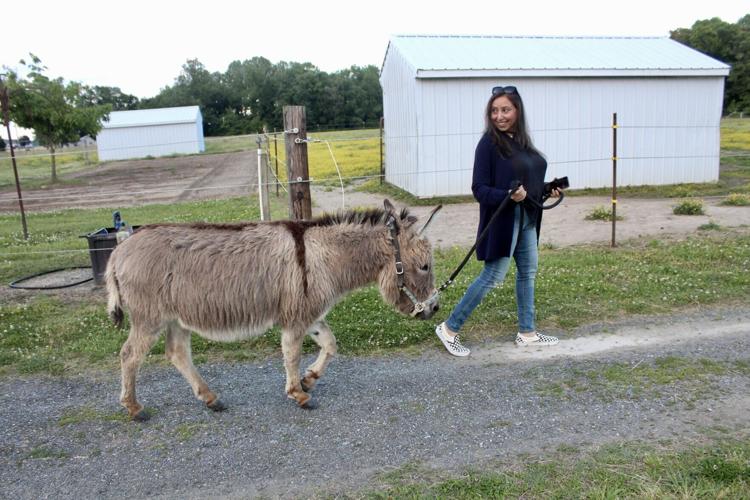
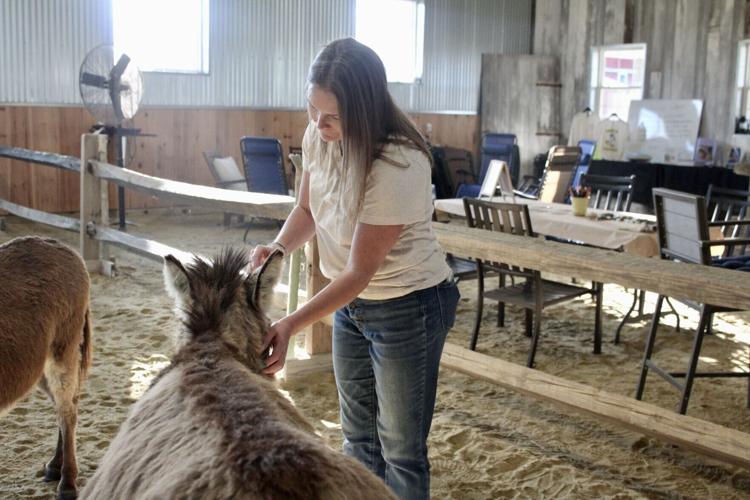
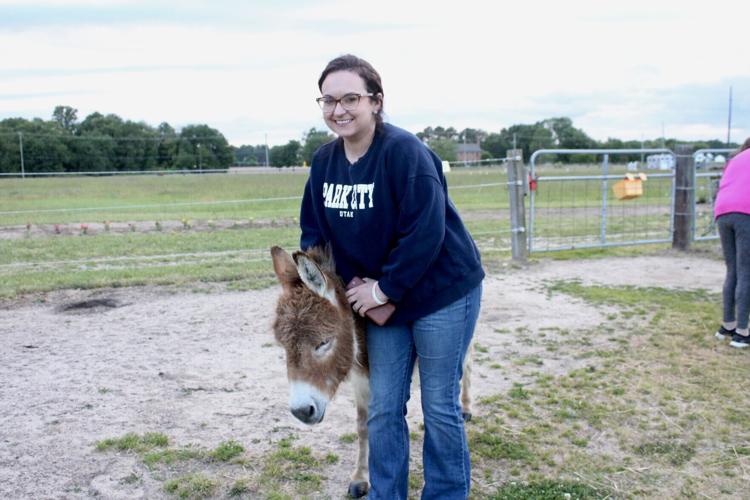
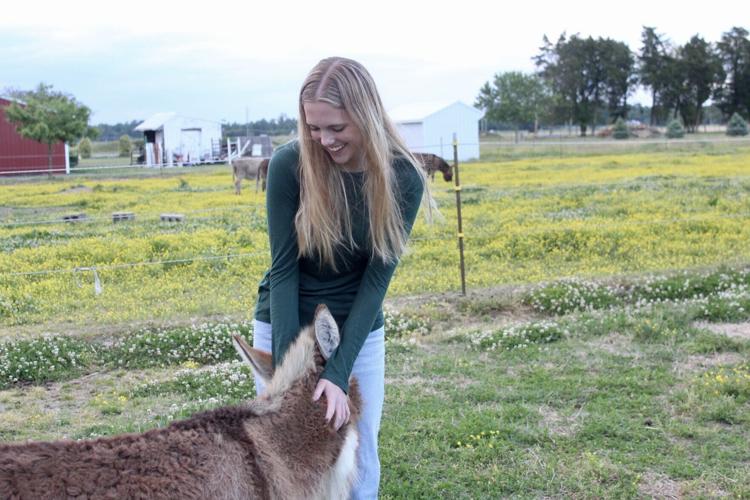
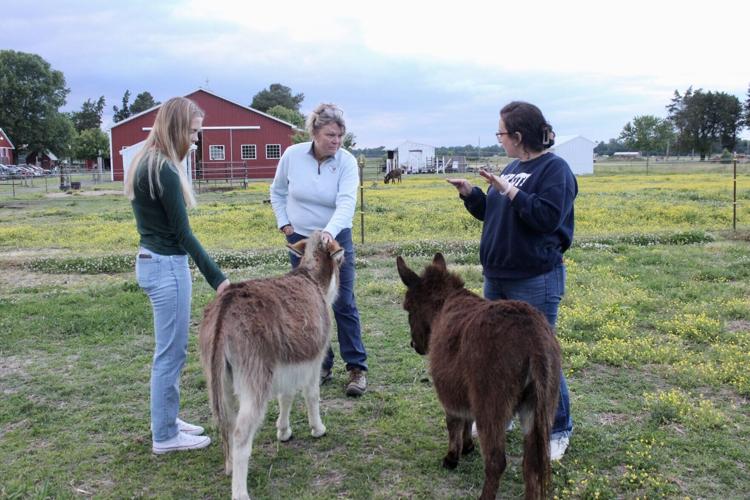
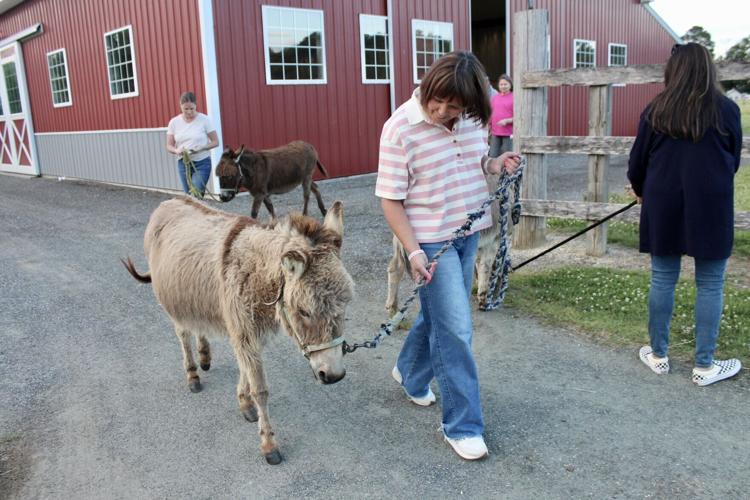
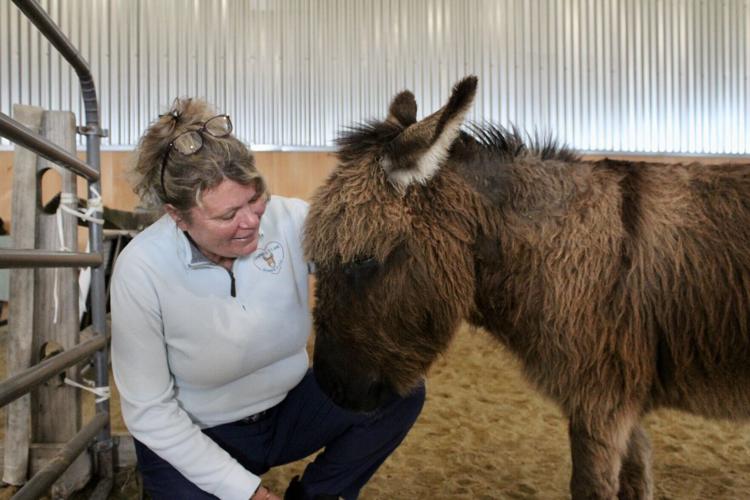
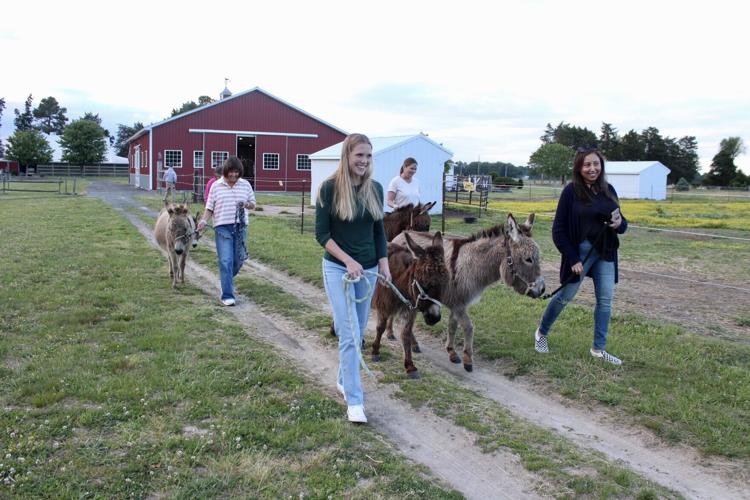
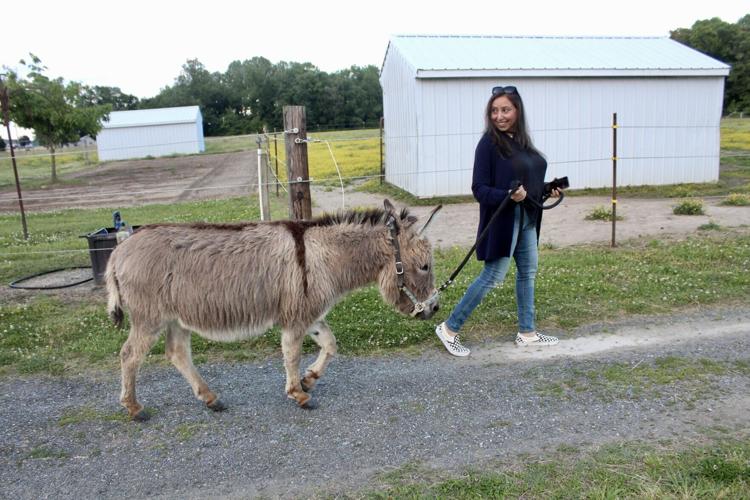
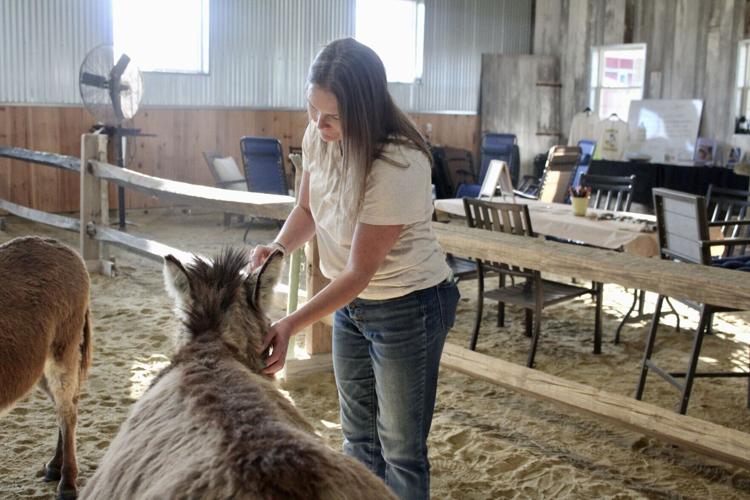
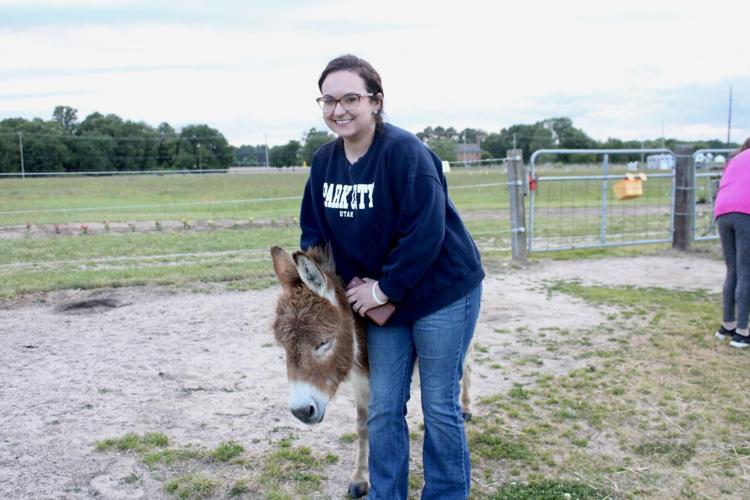
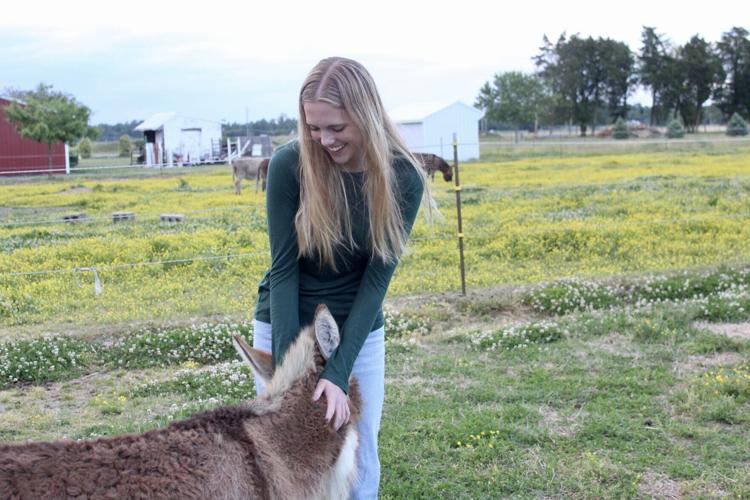
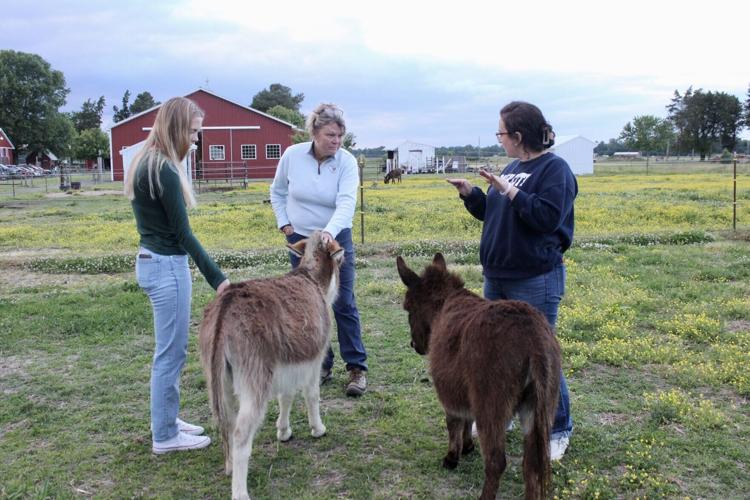
On Thursday, the group took its first field trip — to Campbell’s Lane Farm in Preston. There, they cuddled donkeys.
Anne Altvater, the farm's owner, holds a degree in energy psychology. Campbell’s Lane has offered donkey cuddling for just over a year, as Altvater saw exactly how therapeutic it could be.
“By regulating the nervous system, I could see people walk out of the field with them very differently than they walked in,” Altvater said. “Then I was watching very young kids and how they would be so gentle with (the donkeys). They help wire the brain for connection.”
Altvater says donkey cuddling is a third space, a place that fosters connection without pressure or expectations.
“Donkeys don’t care how much money you make, they don’t care what your trauma is,” Altvater said. “They don’t care what story you tell about yourself because it’s probably not true anyway. They just see through to your most authentic self.”
Altvater has learned to “move at the speed of kindness” from the donkeys, which she defines as a pace slow enough that the nervous system is allowed time to process all the stimuli it receives. When people move at the speed of kindness, she explains, they feel more regulated and calm.
The reception to the donkeys has been overwhelmingly positive, with clients frequently telling Altvater, “I didn’t know I needed this kind of thing,” she said.
Jelley uttered the exact same phrase toward the end of the visit with a donkey’s head in her lap.
Accompanying the group of survivors was Dr. Roopa Gupta, founder and CEO of Easton-based Lotus Oncology Hematology. Gupta was Jelley’s oncologist through her battle with cancer.
Gupta encourages patients to engage in alternative forms of healing, such as yoga, meditation and art or music therapy.
“I do see a marked difference in people who incorporate all this because it can reduce side effects,” Gupta said. “ … It can definitely aid in reducing anxiety and stress and emotional baggage that comes with the cancer treatments and medications that we give.
“It really is kind of like treating the whole patient, not just the disease,” she said.
Gupta says cancer’s mental toll can be just as taxing as its physical one, with constant anxiety in every stage — the unpredictability of diagnosis, the pain of treatment or the fear that remission is only temporary. Alternative healing offers “good strategies” for lifelong care, she explained.
Jelley agreed, even though she says she's “not a naturopath girl” — naturopathy is alternative medicine focused on natural treatments.
“I'm not going to Reiki sessions,” Jelley said. “That's great for some people, that's just not me. ... So when I start talking about feeling like the donkeys were empathetic, I feel like I sound a little bit like a lunatic. But they're really special animals.”
For these women, they say it all comes down to supporting each other through the suffering and the uncertainty. They just happen to have been brought together by something awful.
“Going through what I went through was a nightmare,” Jelley said. “I mean, it was terrible, there’s no getting around that. Cancer sucks. But hindsight being what it is, I’ve met some of my favorite people in the whole world through my journey. I have learned so much and I’m now able to share so much. It’s like the best worst thing that’s ever happened to me.”


