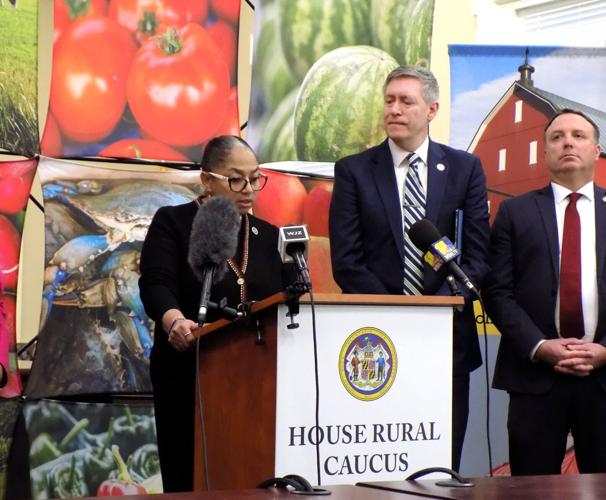
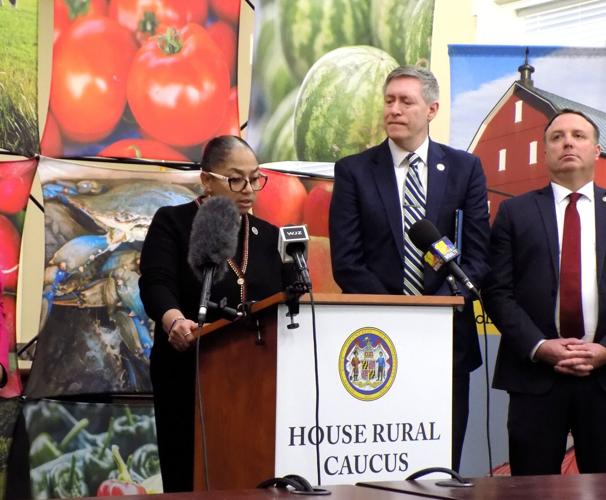
Maryland House Speaker Joseline Peña-Melnyk announces the establishment of the House Rural Caucus alongside caucus members and representatives Jan. 20. Beside her, Secretary of Agriculture Kevin Atticks and Del. Jeff Ghrist.
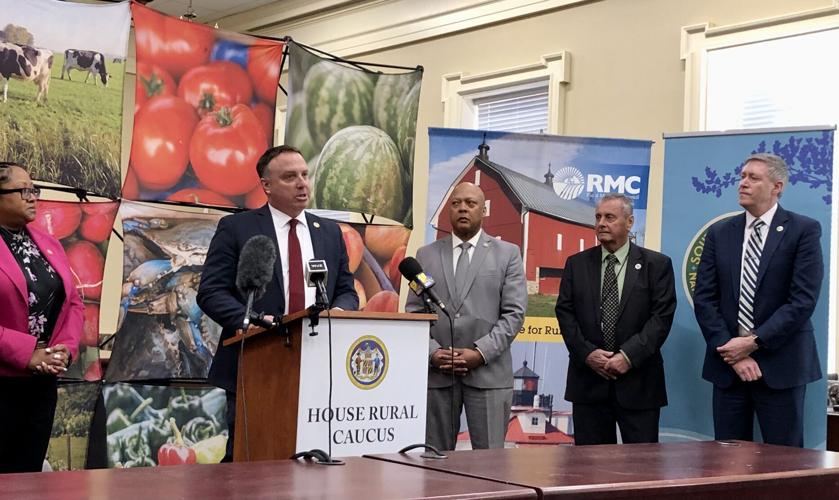
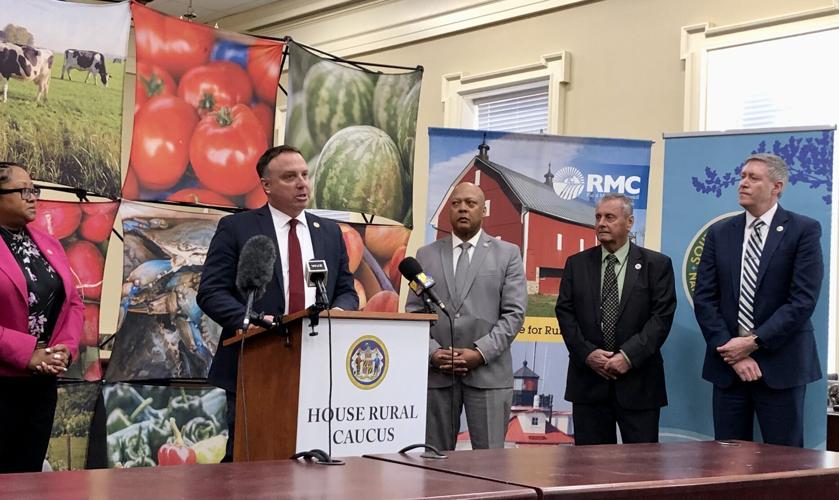
Del. Jeff Ghrist (R-36) highlights the establishment of the House Rural Caucus to elevate the voices of Maryland’s rural communities and incorporate their needs into the legislative process.
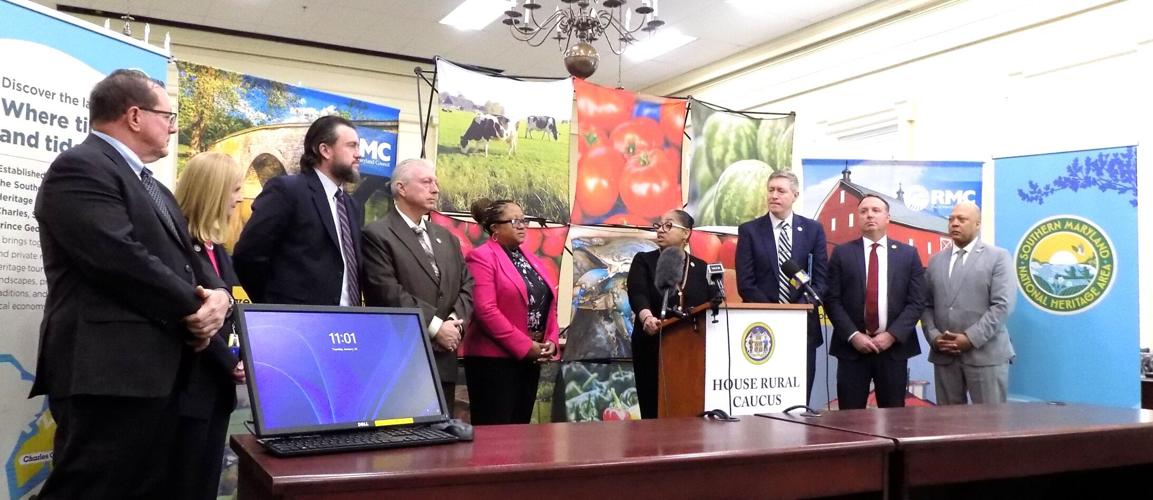
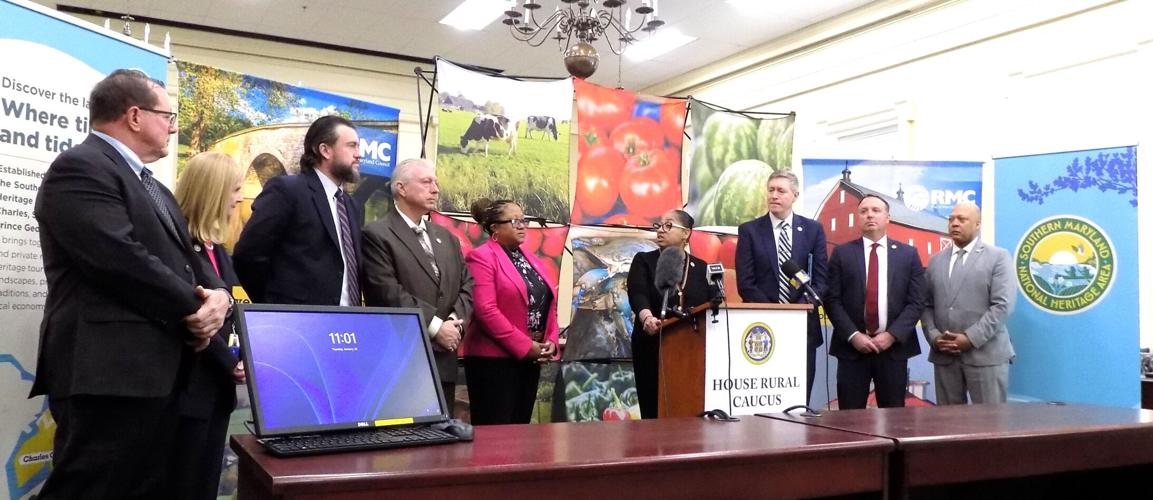
Maryland House Speaker Joseline Peña-Melnyk announces the establishment of the House Rural Caucus alongside caucus members and representatives Jan. 20.
Maryland House Speaker Joseline Peña-Melnyk announces the establishment of the House Rural Caucus alongside caucus members and representatives Jan. 20. Beside her, Secretary of Agriculture Kevin Atticks and Del. Jeff Ghrist.
ANDREA GRABENSTEIN
Del. Jeff Ghrist (R-36) highlights the establishment of the House Rural Caucus to elevate the voices of Maryland’s rural communities and incorporate their needs into the legislative process.
ANDREA GRABENSTEIN
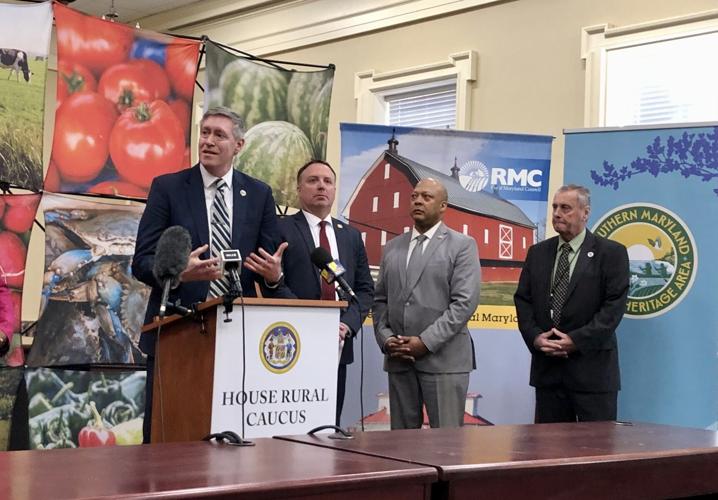
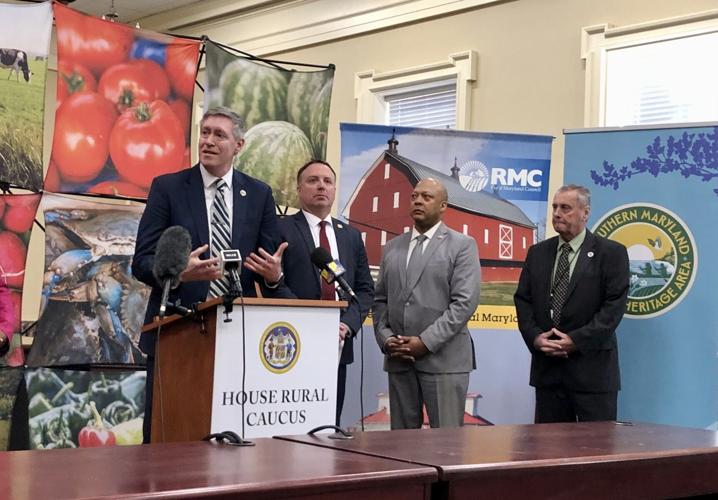
Secretary of Agriculture Kevin Atticks joins the opening meeting of the House Rural Caucus.
ANDREA GRABENSTEIN
Maryland House Speaker Joseline Peña-Melnyk announces the establishment of the House Rural Caucus alongside caucus members and representatives Jan. 20.
Giving rural Maryland a voice and a designated seat at the legislative table, members and representatives of the newly formed House Rural Caucus met Jan. 20.
Created by Maryland House Speaker Joseline Peña-Melnyk (D-Anne Arundel, Prince George's), the bipartisan House Rural Caucus was established to ensure rural Maryland has a stronger voice in public policy.
Since being named Speaker of the House in 2025, Peña-Melnyk is making commitments to elevating voices across Maryland, including those in rural communities, to ensure priorities are meaningfully represented in legislative leadership and policy making, she said.
Maryland is often known as “America in miniature” with its wide array of landscape and diverse locations, she said, and strengthening collaboration across regions is one of the goals of the Caucus.
At Tuesday's kickoff meeting Peña-Melnyk challenged caucus members to come up with legislative packages and looked forward to visiting communities and getting to know rural Maryland.
The House Rural Caucus will be co-chaired by Del. Jeff Ghrist (R-Kent, Queen Anne's, Cecil, Caroline) and Del. Natalie Ziegler (D-Howard, Montgomery).
Much of Maryland is rural, Secretary of Agriculture Kevin Atticks noted, and the challenges that rural areas face are the same challenges faced in suburban and urban communities, “but the solutions are different,” he said.
The forming of the caucus brings Maryland back to its roots and policy objectives, Atticks said. Caucus members will look at priorities and action plans to make sure rural Maryland has the ability to thrive, he said.
The House Rural Caucus is not partisan, but practical, emphasized Ghrist.
Rural Maryland has distinct needs and perspectives that deserve focused attention and a coordinated voice with the House of Delegates, he said. The purpose of the caucus is to ensure rural Maryland is heard, respected, and thoughtfully considered in the legislative process.
“We’re asking for thoughtful consideration, meaningful representation, and policies that recognize our unique circumstances and contribution to Maryland,” Ghrist said.
While geographically small, Maryland is diverse and rural communities exist in counties like Montgomery, Howard, Charles, Anne Arundel, Baltimore and Prince George’s, according to Ghrist. Communities, he said, that stand vital to the state’s economy, culture, food supply, environmental stewardship, and quality of life, and yet too often their issues are overshadowed by policy debates driven primarily by population density.
Those shared challenges, include access to health care, affordable electricity, transportation, workforce shortages, agricultural sustainability, public safety, and the ability of local governments to comply with state mandates with limited resources, he said.
The caucus will serve as a forum for collaboration, information sharing, and early engagement on legislation effecting rural communities.
“We intend to work with stakeholders, local governments, and residents to identify concerns early, address their concerns, address unintended consequences, and promote solutions that are workable and fair,” Ghrist said.
The Caucus will meet at 8 a.m. via zoom every Tuesday during session. For the first six weeks rural stakeholders will present their challenges and ideas on how to improve the rural parts of the state.
Meetings will be available to the public on the Maryland General Assembly website.
You must be logged in to react. Click any reaction to login.
You must be logged in to rate. Click any rating to login.